PAPABUBBLE Inc.

Customer Case Study Interview
| ClientPAPABUBBLE Inc. | (candy manufacturing and sales, with integrated operations spanning company-owned stores, e-commerce, and wholesale) | Interviewee | Mr. Kogakuchi (Director and Head of the PAPABUBBLE Business Division / Main project contact) | Project | Inventory optimization project, “LogiPro” | Project Team | Data platform development and AI implementation: Akatsuki AI Technologies Inc. / Consulting and project management: Mr. Sakumasu of Wello Inc., a partner of Akatsuki AI Technologies | Challenges | Incomplete inventory data made it difficult to calculate accurate costs. |
|---|---|
| Because theoretical inventory could not be determined, every store had to conduct manual physical inventory counts each month. The company also faced risks of excess inventory and lost sales opportunities caused by stockouts. | |
| SolutionThe team visualized the flows of goods, money, and data to structure the underlying issues, and built an AI-ready data platform based on a medallion architecture. | It also developed a system that allows users to retrieve inventory data through natural-language queries using Claude and MCP, as well as a visualization dashboard equipped with an AI chat interface. |
| ResultsTheoretical inventory is becoming increasingly visible, creating a clear path toward moving away from operations that depend on physical inventory counts. | The project progressed without any rework caused by misaligned requirements, and future expansion is planned into demand forecasting, production planning, and workforce scheduling optimization. |
目次
─ To begin, could you tell us about your business and your role?
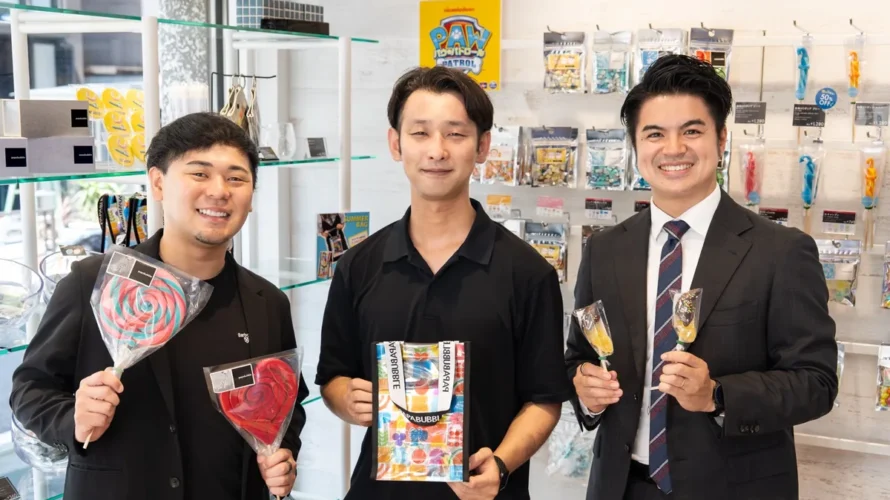
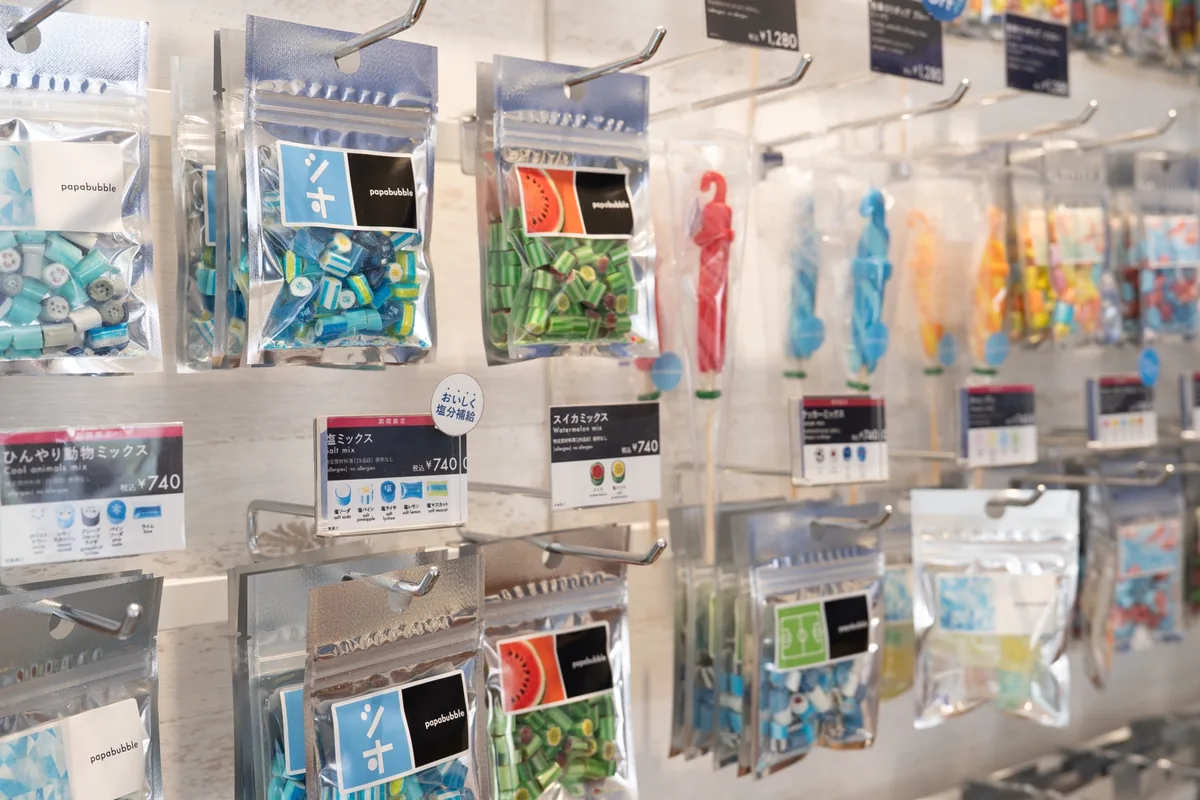
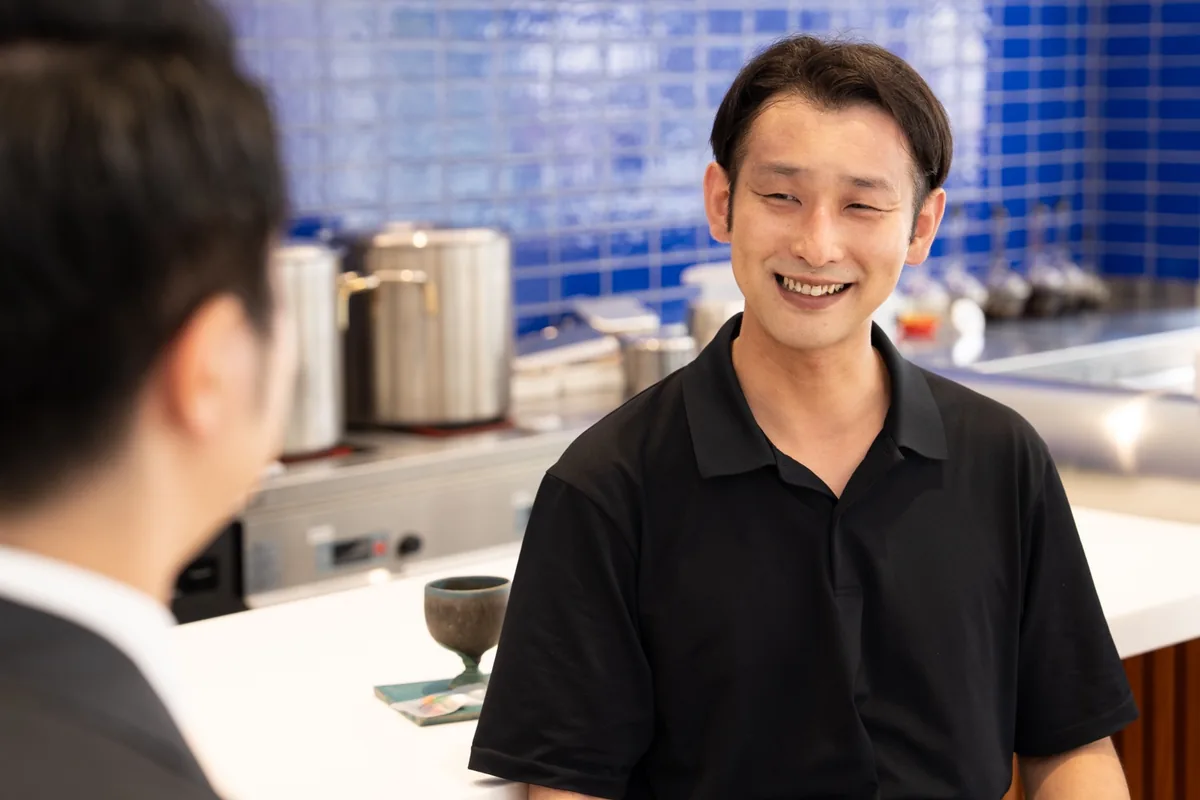
Mr. Kogakuchi: PAPABUBBLE is, in simple terms, a specialty candy company. We are a vertically integrated manufacturer and retailer that handles everything in-house, from production to sales through our own stores, e-commerce, and wholesale channels. As Head of the Business Division, I oversee the entire operation, including sales, manufacturing, and logistics. For the LogiPro project, I served as the main point of contact on the PAPABUBBLE side.
─ What challenges were you facing before the project began?
Our biggest problem was fluctuations in cost calculations. We were unable to calculate accurate costs, and when we traced the cause, it always came back to inventory. Receipts and issues of raw materials and supplies were not always recorded correctly, and some entries were missing. The lack of complete data was what caused the cost figures to fluctuate.
─ How did this issue affect your day-to-day operations?
Physical inventory counting was the most visible example. Because we could not calculate theoretical inventory, we had to manually count all inventory every month. This placed an enormous burden on store managers and logistics staff. Even after investing that much time, we still could not obtain precise data.
From a management accounting perspective, opening and closing inventory figures did not match. Costs could swing significantly upward or downward, and we could not determine which numbers were correct. Without reliable figures, management could not make informed decisions about what to do next.
─ What business risks would you have faced if the problem had been left unresolved?
The biggest risk was excess inventory. We might purchase an item because we thought it was out of stock, only to discover that we already had it. That directly affects costs. Conversely, we could also miss sales opportunities because an item was unavailable when customers wanted it. The greatest problem was that we could not accurately evaluate performance, whether the results were good or bad.
─ Had you previously tried addressing the issue internally or consulted other companies?
We had implemented SaaS products such as Smaregi, ZAICO, and LOGILESS. However, each tool only solved problems within its own system. When we tried to connect everything and address the issue across the entire company, one area might improve, but it would not integrate with another. Because everything is interconnected, that was extremely difficult.
Our corporate planning staff also attempted to integrate the data internally, but there was a limit to how much one person could handle. They were constantly working at their computer, yet the situation remained the same: the numbers we needed were still unavailable when we needed them.
─ What made you decide to consult Akatsuki AI Technologies?
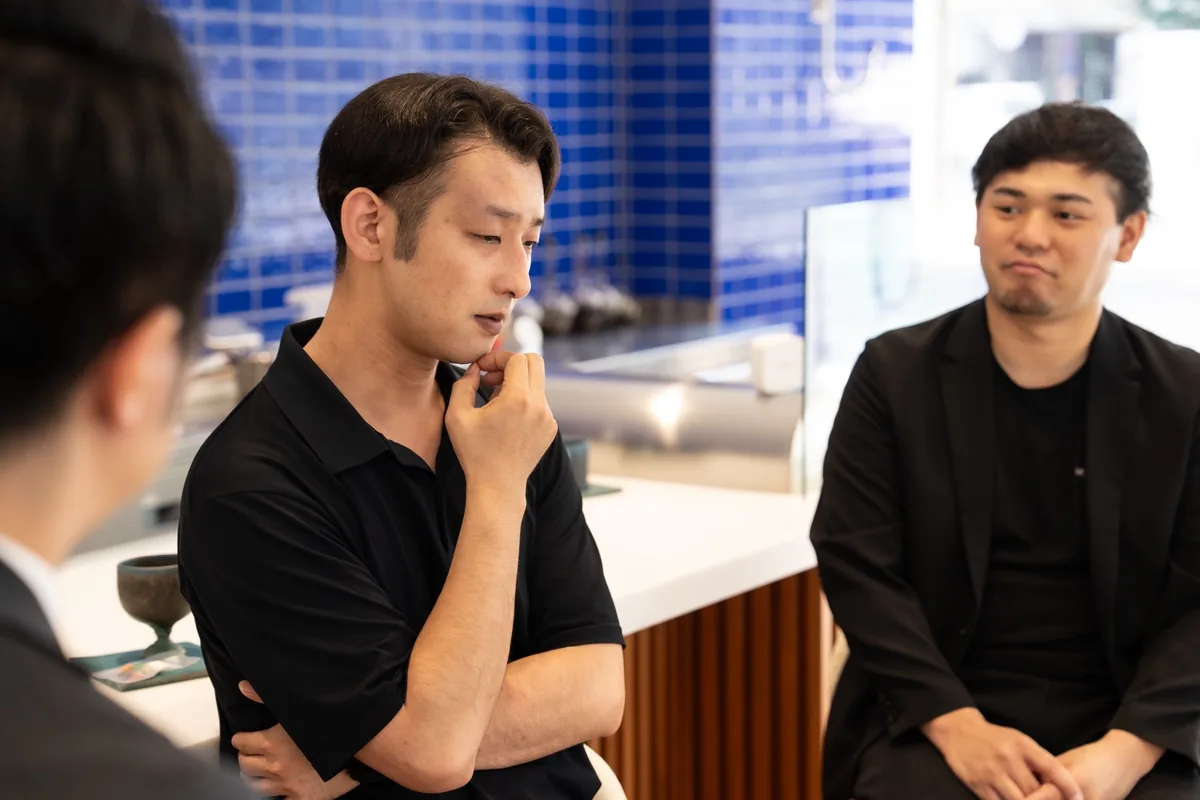
At the first meeting, the team clearly presented the process in separate phases, from requirements definition through to the proposal. They broke down the issues and explained that we would resolve one challenge before moving on to the next. That approach was very easy to understand and gave us confidence in moving forward.
The project began by visualizing the flow of goods, the flow of money, and the flow of data connecting the two. The team mapped where goods moved and where data moved, effectively dissecting the business workflow in the same way a health check examines the body.
This process revealed the points where connections that should have existed had broken down.
In areas not covered by existing systems such as ZAICO, LOGILESS, and Smaregi, manual and person-dependent processes remained. Data was scattered across separate spreadsheets and workflows. The team identified, one by one, who was handling which data, where they were doing so, and how it was being processed. These findings were then translated into a system blueprint showing what needed to be connected and how.

A key feature of this project was that it went beyond simply connecting existing systems. The platform was designed from the outset with future AI use in mind.
Using a medallion architecture, the team developed the platform in layers, covering cloud selection, data table design, data pipeline development, and data normalization through ETL processes.
The architecture was designed to ensure that when users later submitted questions through an AI chat interface, the system could retrieve the appropriate information based on meaning and context. In addition, the accumulated data was connected to Claude through MCP, enabling users to access inventory information through natural-language questions. The team also worked on integrating an AI chat interface into the visualization dashboard. At this stage, the primary focus was on building the underlying foundation needed to support these capabilities.
─ Was the actual project process different from what you had initially expected?
It was extremely good. In a single phrase, my impression was, “They really do everything.”
With system implementation and development projects, I had assumed that our internal team would also need to spend significant time and effort. However, the Akatsuki AI team understood our business very quickly, conducted interviews efficiently, and defined the requirements with great accuracy. They anticipated our needs and addressed issues before we even had to raise them. They took things that were difficult for us to articulate because we had been doing them for so long and translated them into clear language and operational processes.
Whenever we asked a question through chat, they responded immediately and showed us the relevant data. Overall, they were very easy to work with.
Throughout the project, the team placed great importance on minimizing disruption to PAPABUBBLE’s core business. Akatsuki AI handled as much of the process as possible, from requirements gathering through development and implementation, while carefully balancing requests made to the client with the work carried out by the project team.
─ Was there a particular turning point that stood out to you?
The biggest turning point was definitely inventory. We were able to connect the accumulated data to an AI tool through MCP and make the inventory information visible. Inventory had been our biggest concern, so being able to do so many things with that data was a major development.
I have also heard that the team is looking ahead to connecting Claude with Slack, so that the information we need can be accessed directly through Slack. I am looking forward to that as well.
Akatsuki AI Technologies was responsible for developing and implementing the Claude and MCP connection for inventory information, as well as integrating AI chat into the visualization dashboard. By developing these capabilities together with the data platform, the project is creating an environment in which accumulated data can be retrieved immediately through natural-language questions.
─ Where did you see particular value that was unique to the AI era?
From an operational perspective, having an AI chat function built into the visualization dashboard is extremely useful.
A store manager wants to know things such as, “What is selling at this store right now?” or “What is the best-selling product at the neighboring store?” Instead of having to search through the data manually, they can simply ask a question and receive an immediate answer.
Retail is a business where wins and losses are very clear. Managers can understand how their own store performed, compare it with other stores, investigate why the results differed, and use those insights to decide what to do next. I believe that is a groundbreaking capability.
─ The original goal was to improve visibility into inventory and costs. What progress have you seen so far?
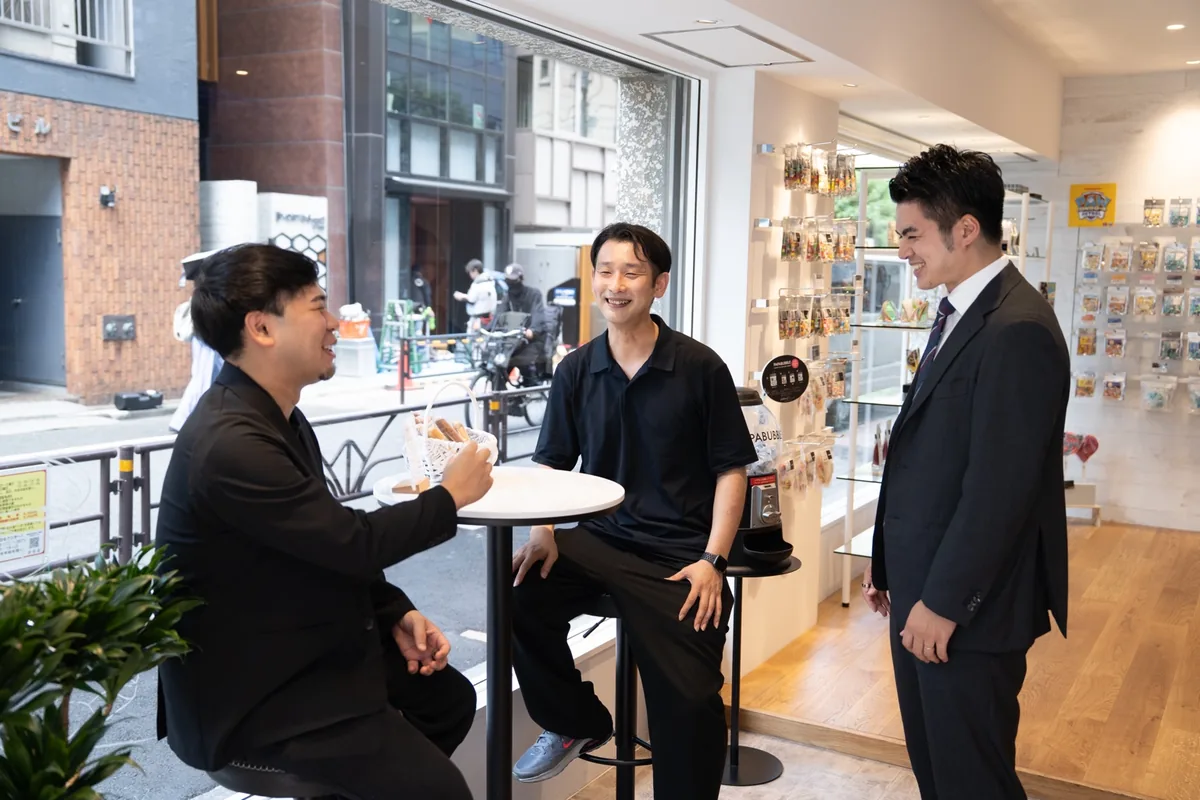
Some areas are still in progress, but once theoretical inventory becomes fully visible, I believe our operations will change significantly. We expect to reach a conclusion during the next inventory count. At the end of this month, we will test the process by reconciling Excel data with the master data and continue refining the system.
─ What aspects of the team’s work did you particularly appreciate?
Requirements definition is an area where projects like this can easily become misaligned. I have worked with many companies and consultants, and the key difference is whether they take responsibility for correcting the direction themselves when the requirements begin to drift, rather than leaving everything to the client.
The team continuously aligned expectations with us throughout the project. As a result, we never reached the final phase only to discover that the original requirements had been misunderstood. There was no rework at all, and we greatly appreciated that.
─ How have other departments within the company responded?
From the sales director’s perspective, sales data from stores, e-commerce, and wholesale is currently collected in Excel every day to review performance. Eliminating most of that workload would have an enormous impact.
As visualization continues to improve, theoretical inventory becomes available, and the figures can be reconciled with accounting data, the final results will become clearer. The value is already extending beyond the original issue of cost calculation, and expectations within the company are high.
─ What areas would you like to address next?
Now that the data is becoming available, the next step is to address more detailed areas. For example, we could create demand forecasts and use them to build production plans. Viewed from another angle, the same data could also be used for workforce scheduling. Ultimately, all of these areas are connected to cost, so we hope to optimize them as well.
Through this initiative, the two companies have established an AI-ready data platform. In addition to making visualization and data retrieval easier, expanding the platform into operational improvements such as utilization analysis, recipe management, and production planning will create a path toward company-wide AI Transformation.
─ What would you say to companies facing similar issues?
From manufacturing and retail to the food and beverage industry, any company that produces and sells its own products is likely to face similar challenges. Restaurants, for example, inevitably have to deal with food waste. Improving visibility into costs and inventory is meaningful for any type of business.
However, introducing individual SaaS products or hiring a logistics consultant alone often fails to provide complete coverage and does not solve the problem across the entire business. In this project, the team addressed the issue from end to end. That was the greatest benefit, and I would recommend them.
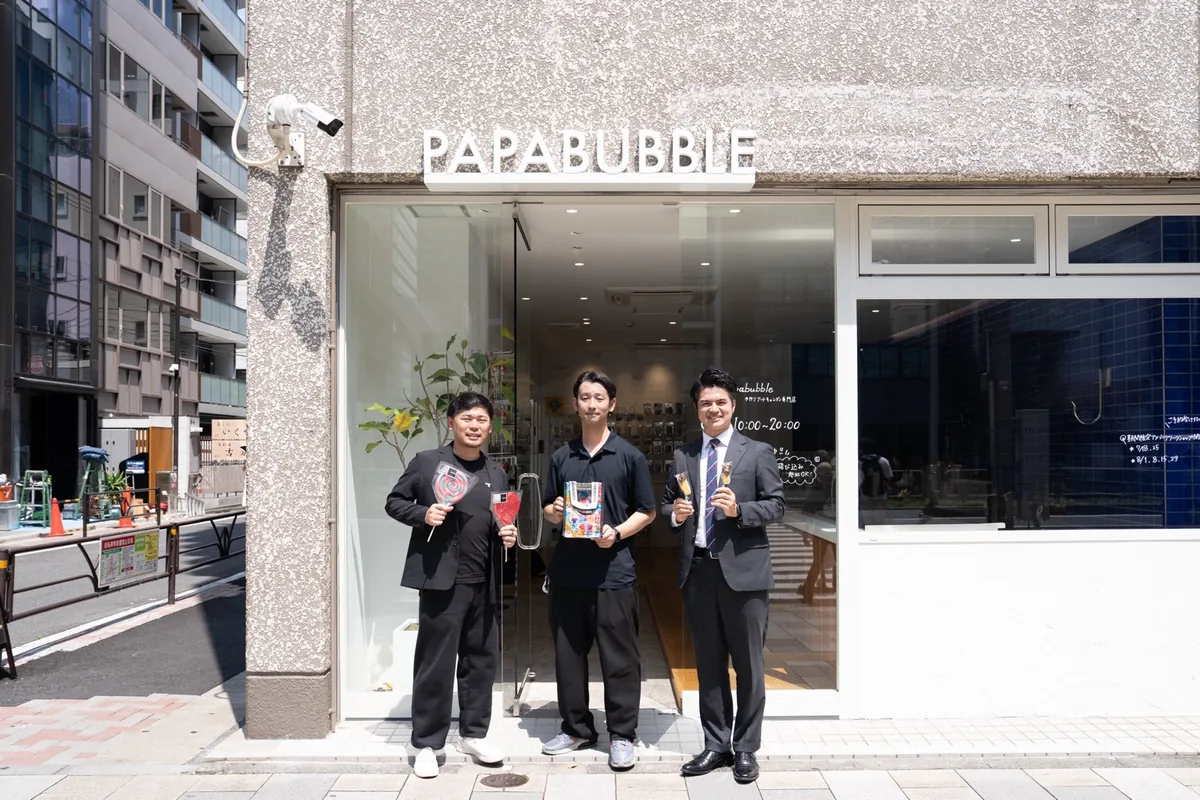
Akatsuki AI Technologies Inc.
We support major enterprises in building data platforms and transforming business operations through AI Transformation (AX).