
Information Strategy and Technology Co., Ltd.
Customer Success Story
| Client | Information Strategy and Technology Co., Ltd. (IST) — Provides end-to-end DX support, from upstream consulting to downstream development, with a focus on helping clients build in-house capabilities. The company has been strengthening its AI business since 2024. |
|---|---|
| Interviewees | Mr. Azuma (Executive Officer and General Manager, Lab Development Department) / Mr. Ichikawa (Team Leader) |
| Project | AI application development project for a client (with Mr. Ichikawa serving in a technical lead-like role) |
| Support Structure | On-site engineering support through AES (AI Engineering Service), with multiple engineers from Akatsuki AI Technologies joining the project team |
| Challenge | A shortage of engineers with strong AI expertise. Previous partnerships with external providers had also presented challenges when the actual technical capabilities did not meet expectations. |
| Solution | Assigned highly skilled engineers from diverse international backgrounds and provided hands-on support through daily stand-ups, Slack-based knowledge sharing, and code reviews. |
| Results | Improved the overall AI capabilities of the team and expanded its ability to deliver AI-driven solutions to clients. The companies are now considering further team expansion and greater collaboration among younger engineers. |
目次
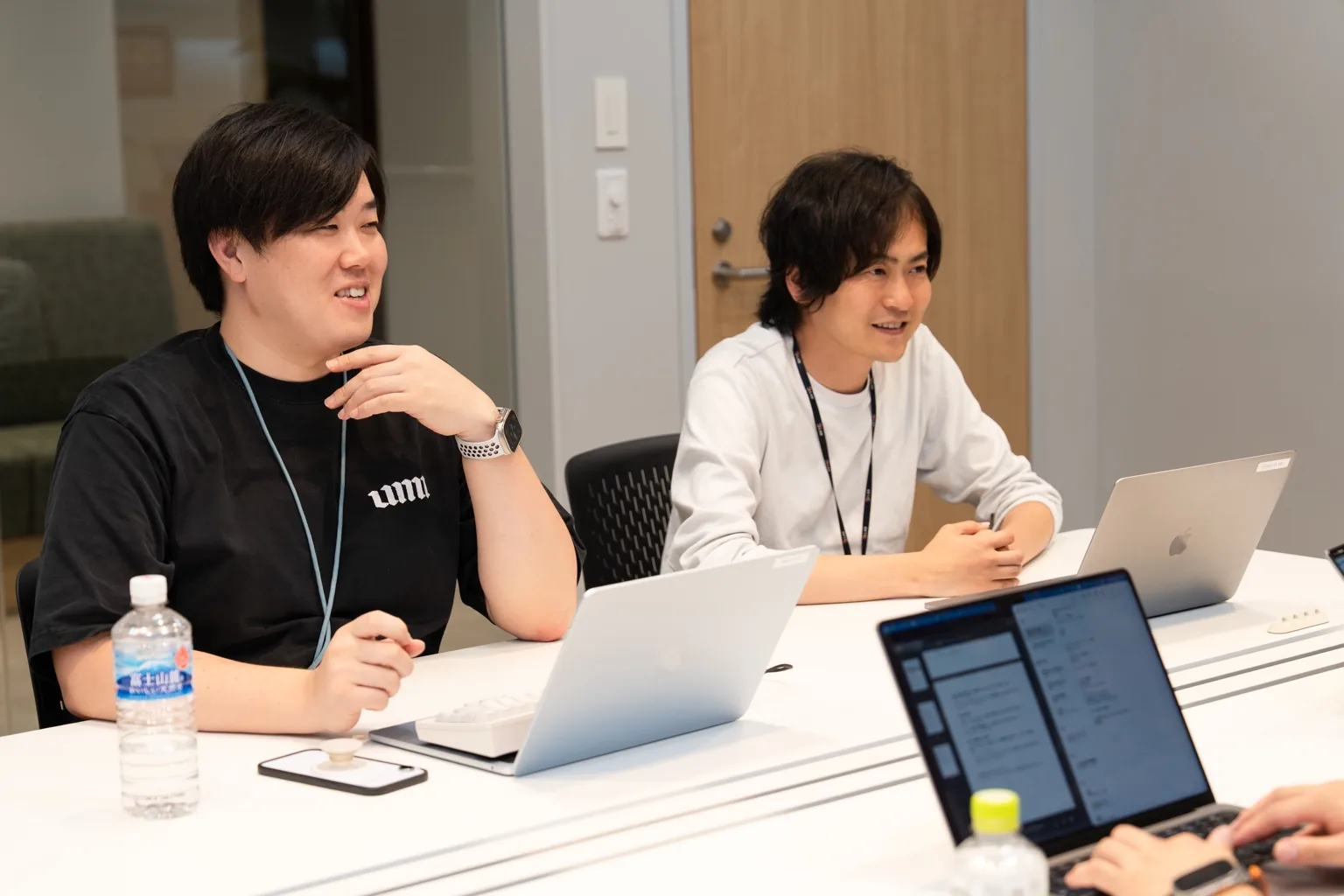
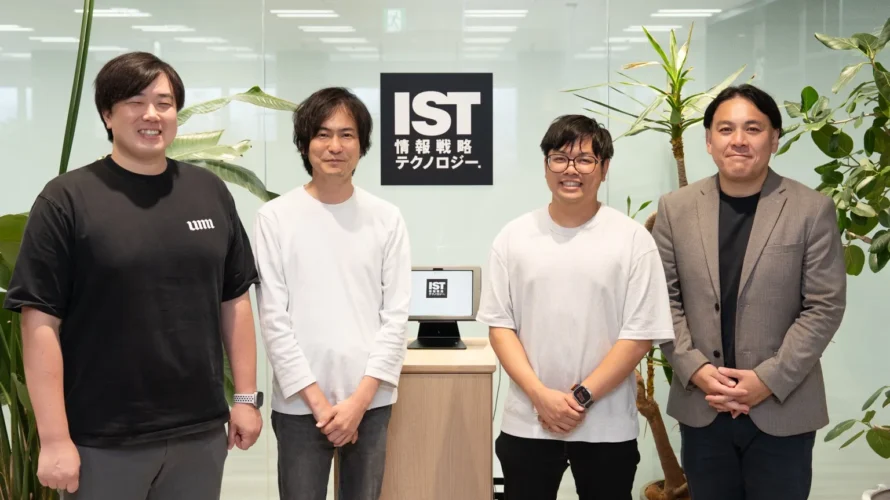
Mr. Azuma: We advocate an approach called “Zero-Stage DX,” and our business is centered on helping clients build their own in-house development capabilities. Rather than simply providing support, we deliver advanced development expertise while also emphasizing agile practices to maximize the impact of our work. Our core business is supporting clients end to end, from upstream planning through downstream development.
As General Manager of the Lab Development Department, my role is to create the “lab” framework that enables us to deliver this support. As an Executive Officer, I also oversee how we promote and embed the use of AI internally, particularly through our engineering organization.
Mr. Ichikawa: My main work for our client involves building AI applications. I wasn’t formally appointed to the role, but I’ve also been proactively promoting the use of AI and tools such as Claude Code, not only at the client site but within our lab as well.
I spend a lot of time sharing knowledge with other team members, so in practice I work somewhat like a technical lead. We’re a small, highly focused team. Generally, one person takes ownership of one application, and I also handle the reviews.
Mr. Azuma and Mr. Ichikawa shared specific feedback on the Akatsuki AI engineers assigned to the project.
Mr. Azuma / Mr. Ichikawa: One of the engineers is a native English speaker, which has been extremely helpful because he can keep up with the latest technologies by reading English-language research papers and bring that knowledge back to the team. Even when our instructions are somewhat rough, he understands the intent and takes action, which makes collaboration very easy.
The other engineers are also highly skilled, and we feel comfortable entrusting them with work that requires careful fact-checking. Having multiple Akatsuki AI engineers on the project has also been beneficial in terms of collaboration among the team members.
When individual business partners are brought into a project separately, communication across companies can sometimes become fragmented. Having several members from the same company working together means they share a similar culture and reduces communication gaps. We’ve seen significant benefits from that.
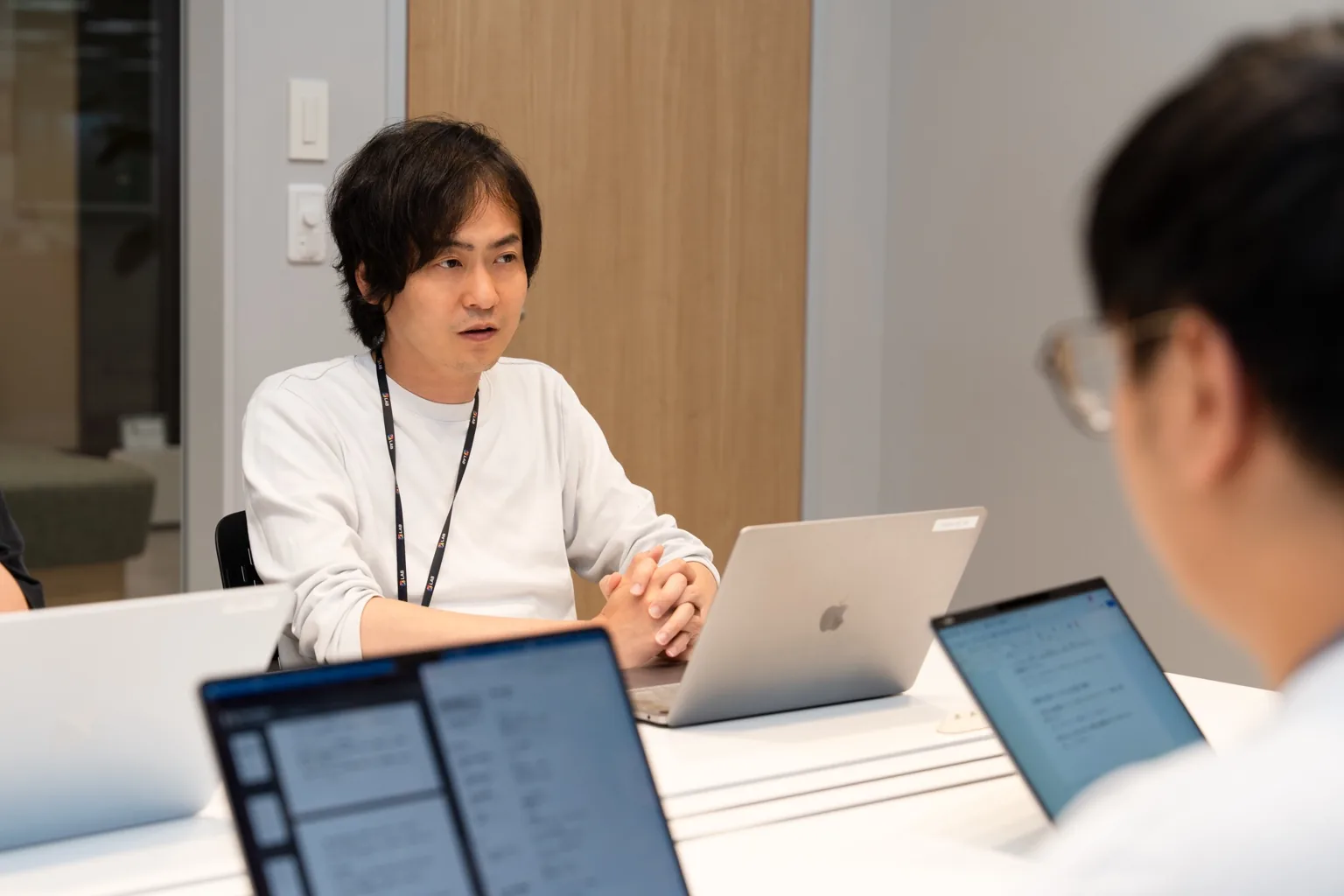
Mr. Azuma: We started working on AI-related projects in 2024. Originally, we weren’t a company with particularly strong AI expertise, so at first we partnered with companies that specialized in AI and joined client projects together.
However, as we began working with AI ourselves, there were many times when we honestly felt, “This is something we could do ourselves.” If we were going to tell clients that we were strong in AI, we needed to hire people who genuinely had that expertise. The shortage of those people was one of our biggest challenges. It’s really only over the past two years that we’ve started building up internal talent like Ichikawa.
Mr. Ichikawa: We particularly lacked people who could keep up with the latest developments by reading research papers. When a new model is released, you need people who can quickly understand it and incorporate it into implementation.
In one project, for example, there were better options available, but because no one had kept up with the latest developments, the team continued relying on an older model. AI development is fundamentally model-driven, so if you aren’t keeping up with new models, you can miss opportunities to solve problems that the models themselves could address.
Mr. Azuma: Among some of the companies we worked with in the past, there were cases where they claimed to be strong in AI but their actual capabilities didn’t match that claim. There were also engineers who wouldn’t take action unless they were given very specific instructions.
We once worked with someone who said they would use a vibe-coding agent, but the quality of the resulting work was nowhere near what we expected, and we ultimately had to ask for it to be rebuilt. Last year, the models themselves were not as capable as they are today, so the engineer’s actual skill level had an even more direct impact on the outcome.
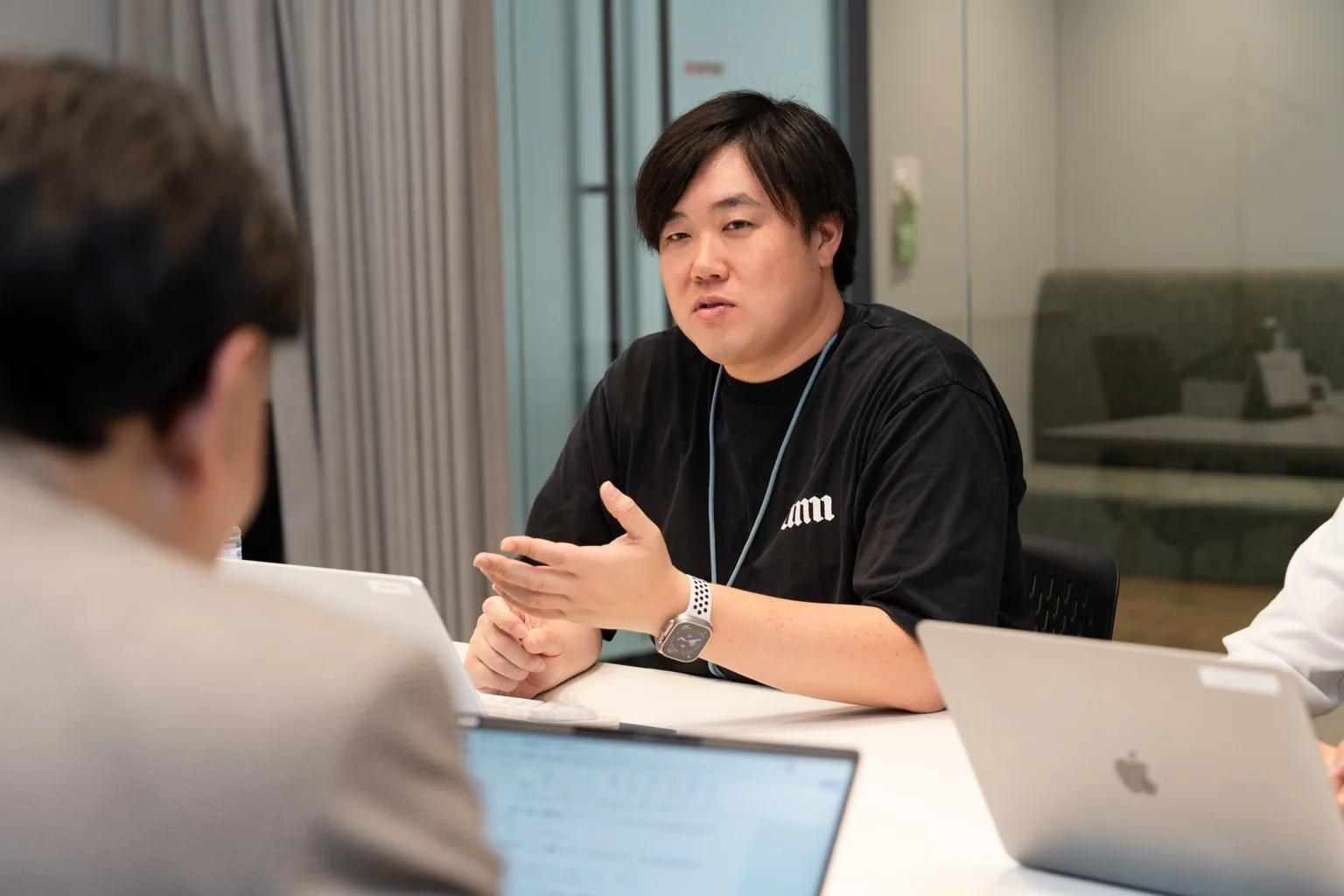
Mr. Azuma: It started with an introduction from one of our internal team members. At the time, we were struggling with a shortage of AI-skilled engineers on a project for a major client, so we initially interviewed three or four candidates.
After speaking with them, we felt their level was extremely high and thought, “We’d like to bring two or three of them onto the team.” From there, we gradually expanded the number of engineers involved. Their output has continued to receive strong evaluations since joining, so we’ve been expanding the resources further.
Major clients can sometimes be cautious about bringing in new vendors, but when the engineers are strong, it’s much easier for them to continue working on the project. That has also been very helpful.
Mr. Azuma: We carefully assessed through the interviews whether the candidates genuinely had strong AI capabilities. Another consideration was communication, since many of the engineers were international. We had previously experienced language barriers with offshore development in another country, so we initially had some concerns.
Mr. Azuma / Mr. Ichikawa: Once we started working together, we found that language barriers were almost nonexistent. They approach the work sincerely and take clear responsibility for their output.
There hasn’t been a single case where someone said, “We can do this,” and then failed to deliver. That has given us a great deal of confidence. Even when we suddenly need additional resources, they’re quick to respond. We’re genuinely grateful for that.
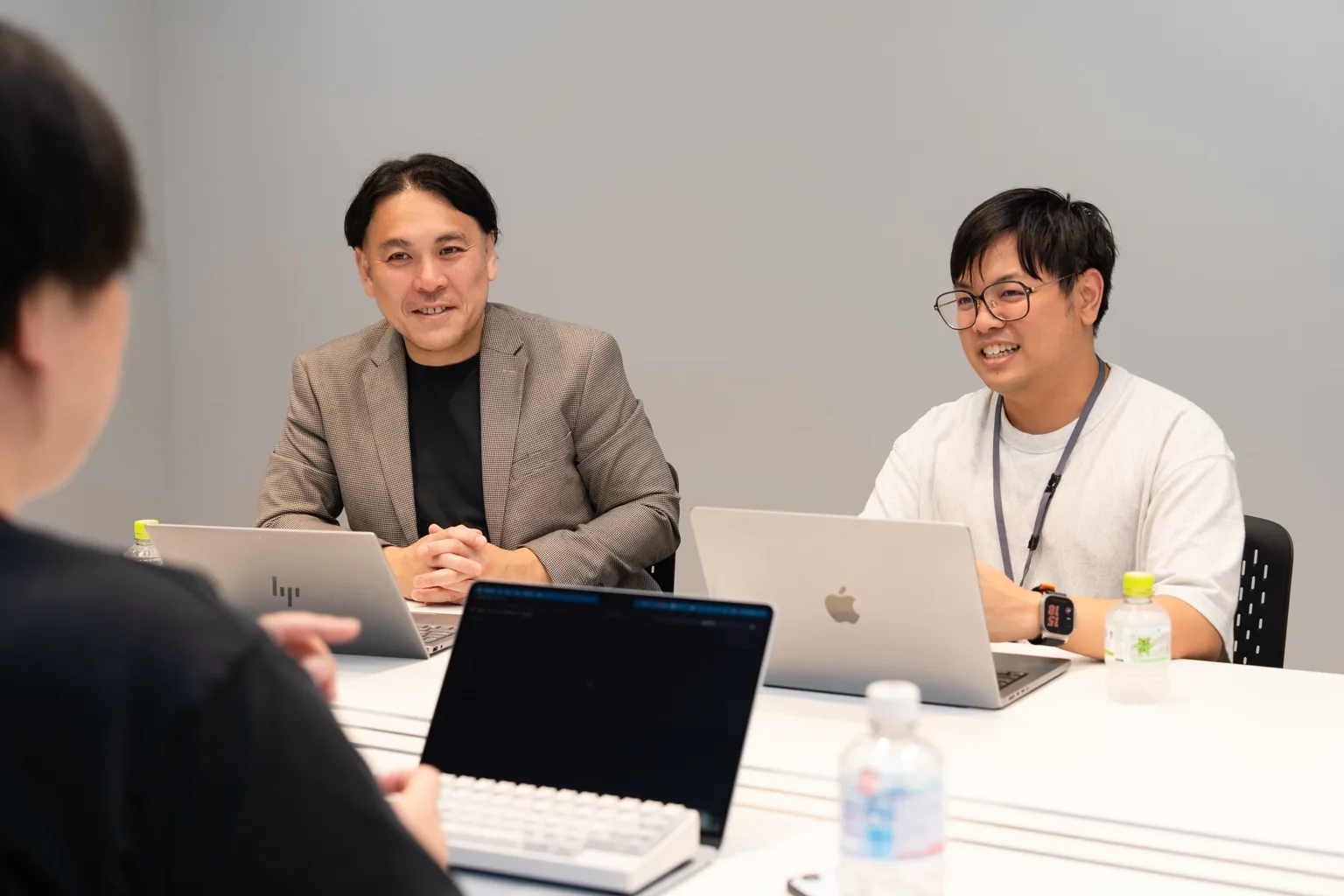
Mr. Ichikawa: On Slack, we have a culture of casually sharing ideas and output almost like posting on Twitter, and we also hold a daily stand-up. We work primarily remotely, but we occasionally have opportunities, like today, to meet and work together in person.
Mr. Ichikawa: Overall, there haven’t been any significant mismatches. Each engineer has performed well in their respective role. The only unexpected point was that one member didn’t have prior experience deploying to AWS, but they were able to catch up quickly.
Mr. Ichikawa: I’ve never heard anyone say that an engineer joined the team but took a long time to get up to speed. Once we assign a task, they get started immediately. We’ve also never received any complaints regarding workload or engagement management.
Mr. Azuma / Mr. Ichikawa: Because it was a multinational team, we initially had some concerns. In practice, however, communication has been smooth, and we’ve hardly noticed any language or cultural barriers. In that sense, our expectations were exceeded in a very positive way.
The only negative surprise was that, due to timing, we had an unexpected team-member change. Even then, Akatsuki AI quickly proposed replacement candidates, which was very helpful.
Mr. Ichikawa: The most memorable moment was when we were able to deliver our first AI-driven project output to the client. It was a new challenge for us as well, but the engineer who took the lead established a solid path forward and helped move the project ahead effectively.
During that period, I also made an effort to actively participate in technical discussions on Slack and make my presence felt within the project. (laughs)
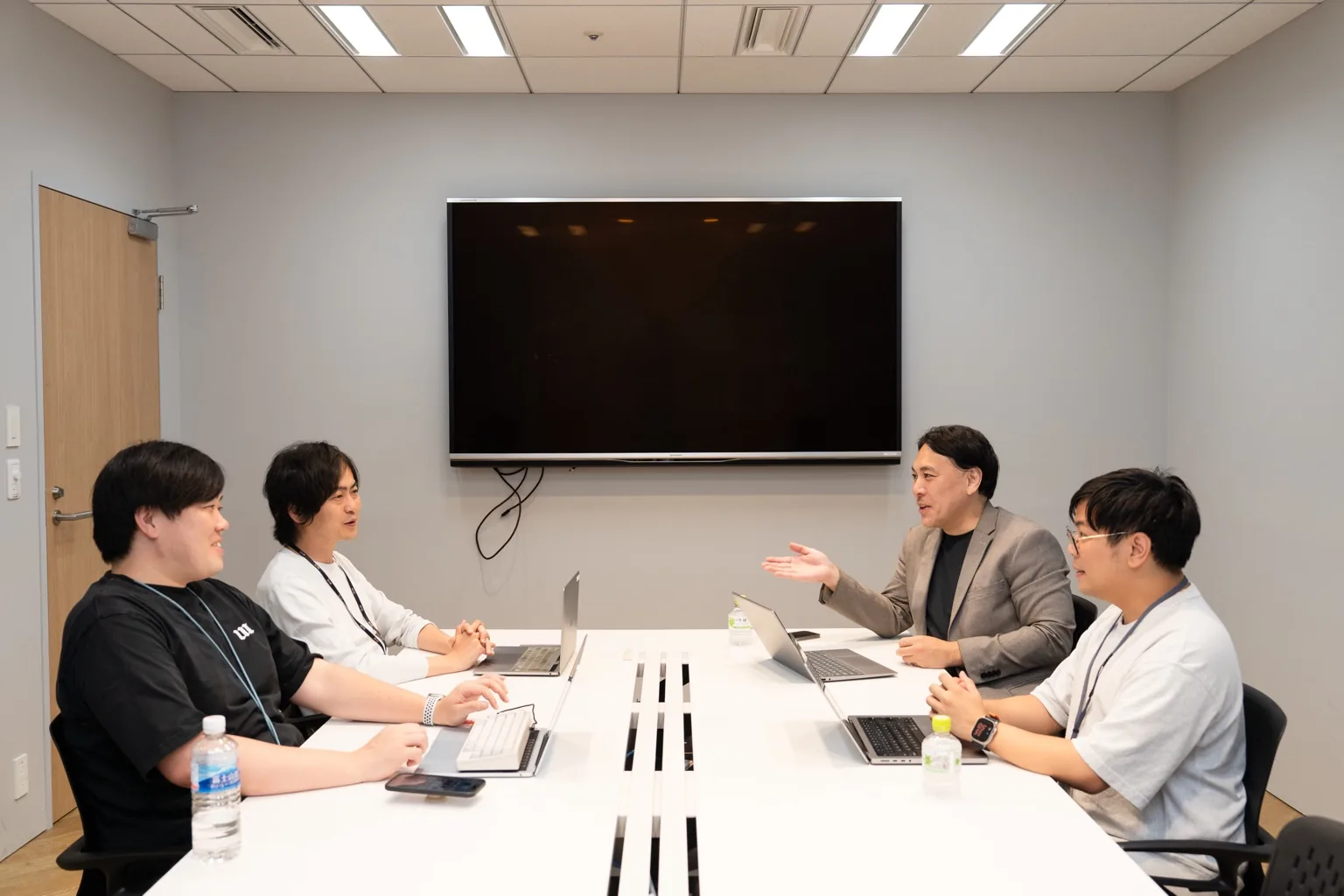
Mr. Azuma / Mr. Ichikawa: We feel that the team’s overall AI capabilities have improved. Perhaps the simplest way to put it is that “we now have more people who can really do it.” The fact that we can challenge and learn from one another has been extremely valuable.
Mr. Azuma: Their ability to actually build things with AI. There are many companies that simply experiment with tools or use AI chat applications, but Akatsuki AI consistently turns AI into tangible output. That’s something we really appreciate.
Mr. Azuma: We’d like to continue learning from one another, bring more of Akatsuki AI’s AI expertise into our organization, and further energize the team. We’d also like to expand the number of members involved and win new projects together.
We also put a lot of effort into training new graduates, so we’d like to create opportunities for younger engineers from both companies to collaborate and build a long-term relationship.
Mr. Azuma: Don’t let nationality become a barrier — I’d encourage companies to simply try working together first. If you approach the relationship without preconceived filters, I think you’ll quickly see that Akatsuki AI is a company whose engineers genuinely commit to delivering results.
Mr. Azuma / Mr. Ichikawa: “A team of engineers who think like researchers” describes them perfectly. They’re not engineers who simply do what’s assigned to them. They pursue their own interests and areas of curiosity, deepen their knowledge, and then bring those insights back into real-world projects. That’s what makes them unique.
Through AI Engineering Service (AES), AI Transformation (AX) initiatives, and AI solution development, Akatsuki AI Technologies provides end-to-end support for companies seeking to adopt and scale AI across their organizations.
Toyota Technical Development Corporation 様
PAPABUBBLE Inc. 様
O-net, Inc. 様